
Hide
- Home
- Blog

Designing Networks for a Zero-Downtime World
Every minute of downtime costs money, trust and momentum. In this article our network team explains how we design infrastructure that keeps running when individual components fail – from redundant links and automated failover to observability that spots problems before your customers do.
We have designed networks for hospitals, trading floors, logistics hubs and global retail chains – environments where an outage is never an option.
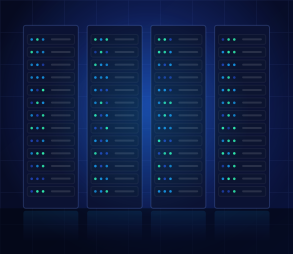
High availability starts with removing single points of failure. That means dual internet providers, redundant core switches, clustered firewalls and workloads spread across multiple availability zones. But redundancy alone is not enough: failover has to be automatic, tested regularly and fast enough that users never notice.
The best network is the one nobody notices – because it simply never goes down. Priya Nair
Let our engineers handle the heavy lifting
- Latency is a feature your users can feel.
- Measure everything, then automate.
- Latency is a feature your users can feel.
- Measure everything, then automate.
- Latency is a feature your users can feel.

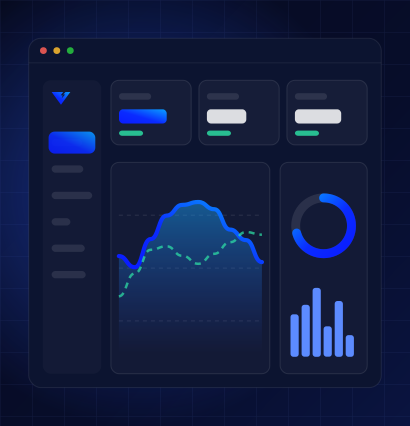
Observability ties it all together. With real-time metrics, distributed tracing and smart alerting, our network operations center sees issues the moment they appear – and in most cases resolves them before anyone opens a ticket.
(04) Comment
Amara Diallo 05 October 2026
Great infrastructure is not about the most expensive hardware; it is about clear design, honest monitoring and a team that treats your uptime as its own. That is the standard we hold ourselves to on every project.
Ethan Brooks 25 january 2021
Great write-up. We followed the failover checklist on our own network and caught two single points of failure we didn’t know we had.
Write your comment